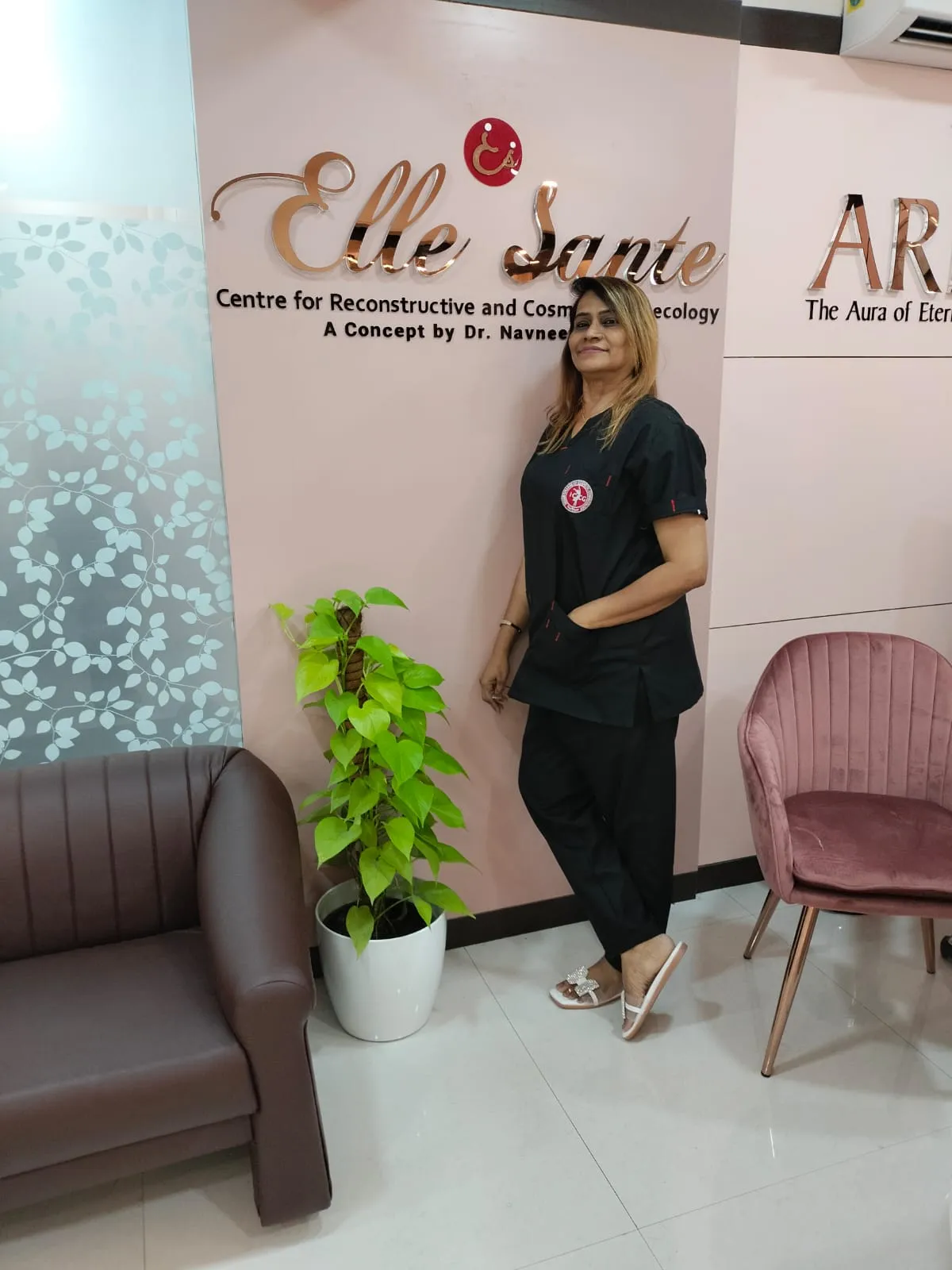
OUR SERVICES
Care for every stage of a woman's life.
Every service we offer, from your first consultation through delivery, surgery or fertility treatment.
Pregnancy & Gynaecological Care
Comprehensive obstetric and gynaecological care, from routine checkups to complex conditions.
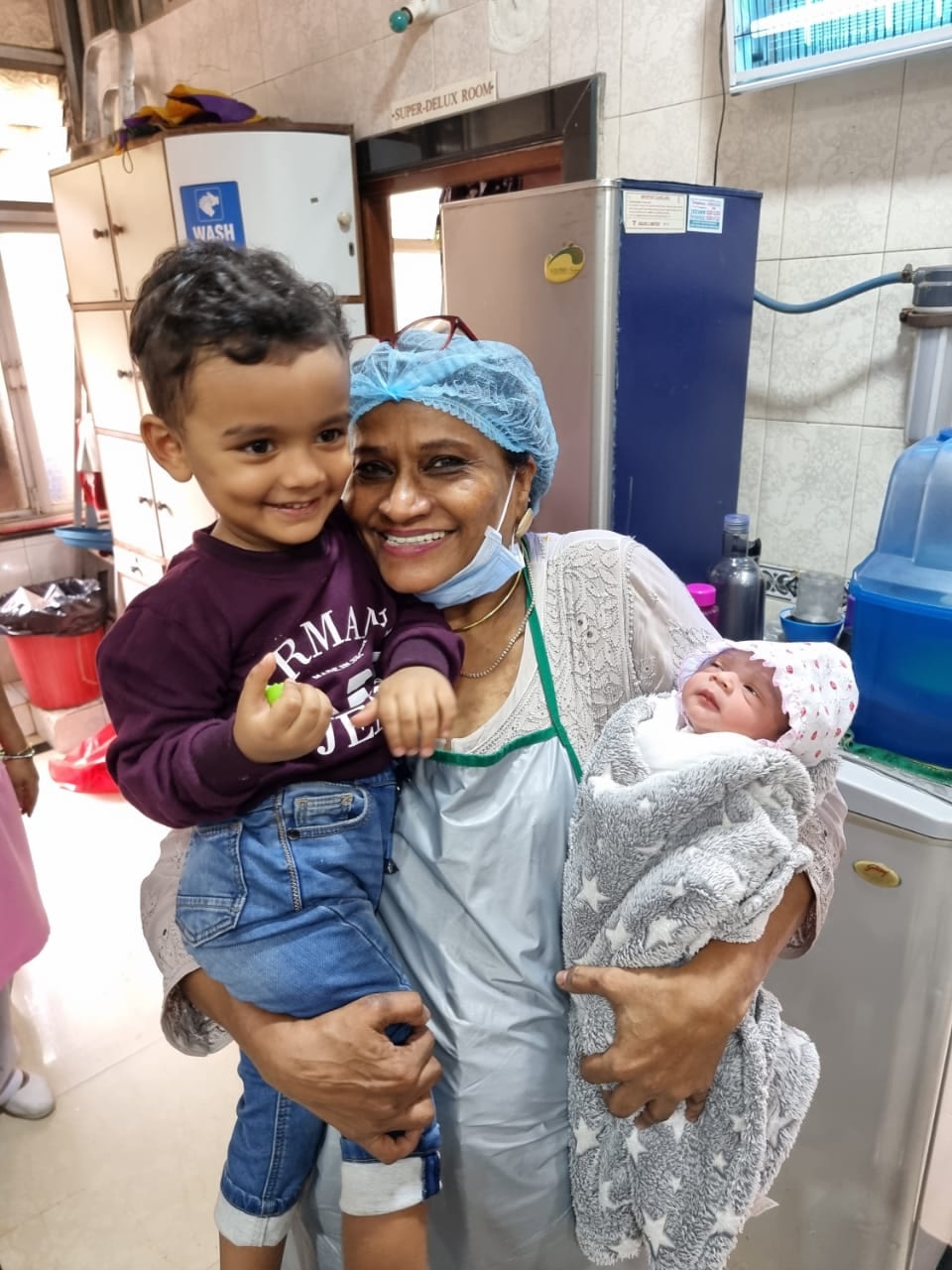
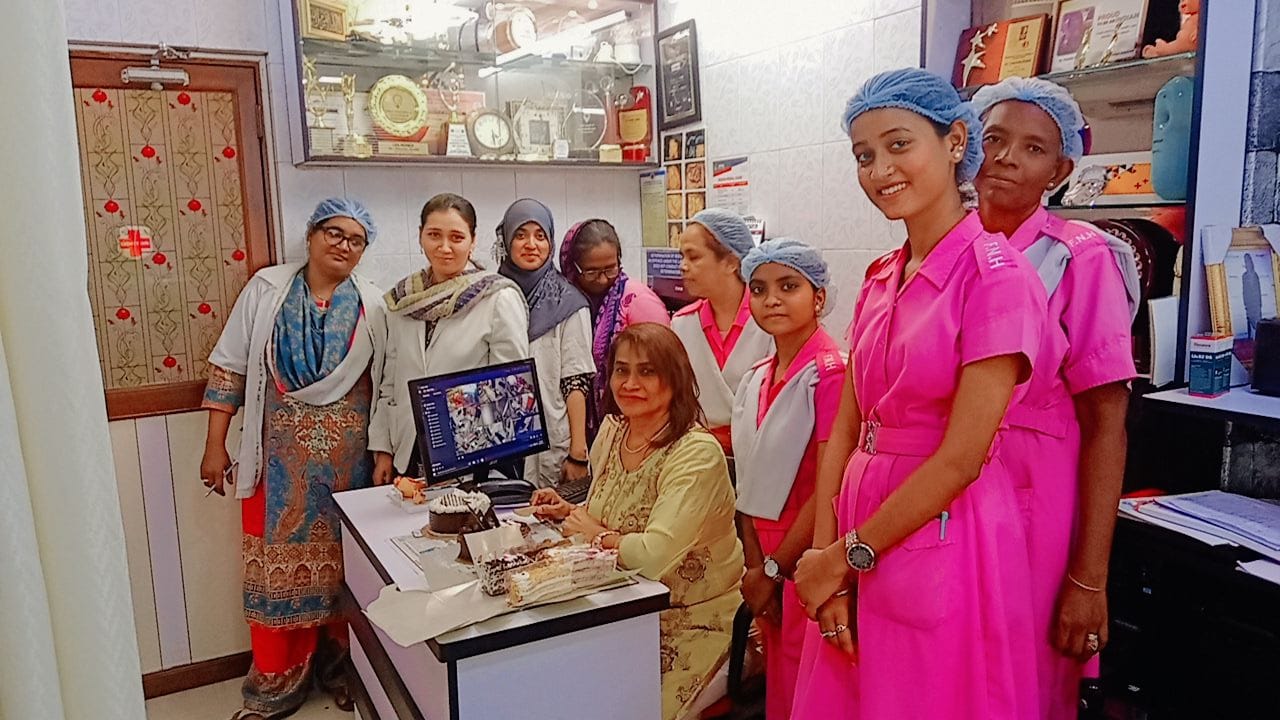
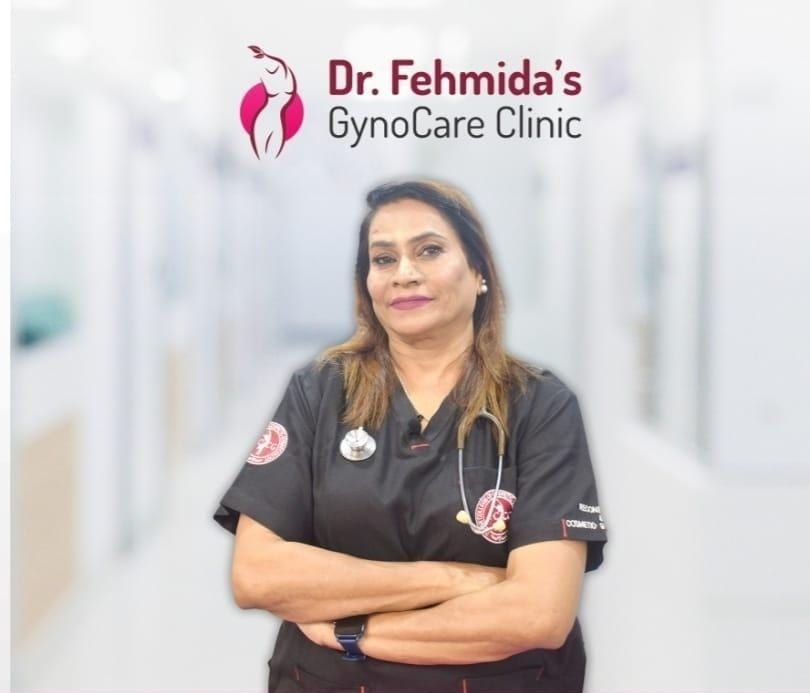

Family Planning & Surgical Care
Confidential family planning guidance and minimally invasive surgical treatment.
Fertility & Specialist Treatment
Specialist care for fertility, fibroids and complex gynaecological conditions.

Explore by condition, treatment or technology
Services: FAQs
Clear, compassionate answers to the questions patients ask Dr. Fehmida Shaikh most often.
When should I schedule my first antenatal visit?
We recommend booking your first antenatal consultation as soon as you confirm your pregnancy, ideally around 6 to 8 weeks. Early evaluation allows Dr. Fehmida Shaikh to confirm the gestational sac via ultrasound, review essential blood work, and start vital prenatal supplements like folic acid.
What medical conditions categorize a pregnancy as high-risk?
High-risk factors include advanced maternal age (over 35), pre-existing or gestational diabetes, chronic hypertension or preeclampsia, thyroid disorders, previous recurrent miscarriages, twin/multiple pregnancies, fibroids in pregnancy, or previous C-section deliveries.
What does a comprehensive well-woman health check include?
A well-woman visit includes complete clinical history, pelvic examination, cervical Pap smear screening, breast examination, pelvic ultrasound if indicated, and blood panels assessing thyroid function, haemoglobin, blood glucose, and bone health markers.
What contraception and family planning methods are offered?
We offer barrier methods, oral contraceptive pills, injectable contraceptives (Depo), intrauterine contraceptive devices (both copper IUDs like Copper-T and hormonal IUDs like Mirena), and counselling for permanent female sterilization.
What symptoms should prompt a gynaecological consultation?
You should consult a gynaecologist for persistent lower abdominal or pelvic pain, painful periods (dysmenorrhoea), abnormally heavy or prolonged bleeding, irregular cycles, unusual vaginal discharge, pain during intercourse, or pelvic heaviness.
What is the difference between laparoscopy and hysteroscopy?
Laparoscopy involves tiny (0.5–1 cm) keyhole incisions in the abdomen to inspect and treat organs within the pelvic cavity (uterus, fallopian tubes, ovaries). Hysteroscopy uses a fine telescope inserted naturally through the cervix into the uterine cavity without any external incisions.
Do all uterine fibroids require surgical removal?
No. Small, asymptomatic fibroids that do not cause heavy bleeding, pain, or fertility interference can be safely monitored with periodic ultrasound scans. Surgery is recommended when fibroids cause significant symptoms, rapid enlargement, or impact fertility.
When should a couple seek professional fertility evaluation?
Couples should seek evaluation if pregnancy has not occurred after 12 months of regular unprotected intercourse (or after 6 months if the female partner is 35 or older), or immediately if there is a known history of irregular cycles, pelvic surgery, or male factor issues.