Obstetric Care
Recurrent Pregnancy Loss
Compassionate, thorough evaluation and support for couples who have experienced repeated pregnancy loss.
Overview
Experiencing more than one pregnancy loss is distressing, and it deserves a careful, unhurried evaluation rather than being dismissed as bad luck. Fehmida Hospital & Fertility Centre offers advanced management of recurrent pregnancy loss as part of its obstetric services.
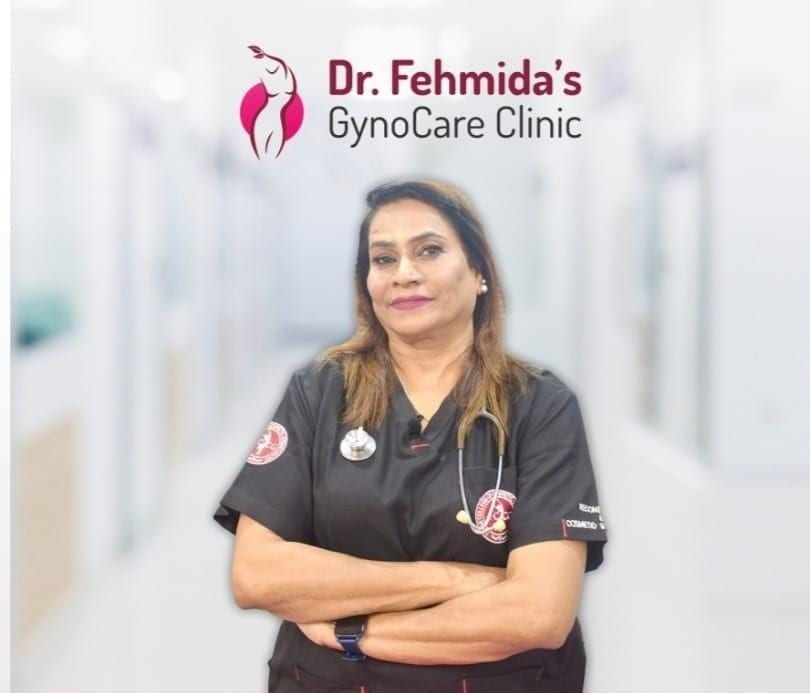
Dr. Fehmida Shaikh works through the possible hormonal, structural and other contributing factors with you, then builds a monitoring plan for any future pregnancy.
What's included
- Diagnostic evaluation for recurrent loss
- Hormonal and structural assessment
- Ongoing pregnancy monitoring and support in a future pregnancy
CARE TYPE
Obstetric Care
Consult with
Dr. Fehmida Shaikh
Availability
Mon–Sat, by appointment
Who it's for
Women who have experienced two or more pregnancy losses.
Frequently Asked Questions
Clear, compassionate answers to the questions patients ask Dr. Fehmida Shaikh most often.
When is pregnancy loss defined as recurrent miscarriage?
Recurrent pregnancy loss (RPL) is clinically defined as two or more consecutive miscarriages before 20 weeks of gestation. A comprehensive medical investigation is recommended after two losses to identify treatable underlying causes.
What are the common causes of repeated miscarriages?
Causes include parental chromosomal translocations, blood clotting disorders (thrombophilias like Antiphospholipid Syndrome), hormonal imbalances (PCOS, thyroid dysfunction, progesterone deficiency), uterine anatomical abnormalities (uterine septum, fibroids, adhesions), and cervical insufficiency.
What investigations are conducted during an RPL work-up?
Testing includes karyotyping of both partners, complete antiphospholipid antibody panel (lupus anticoagulant, anticardiolipin), thrombophilia profile, hormonal tests (TSH, prolactin, HbA1c), pelvic 3D ultrasound or hysteroscopy, and sperm DNA fragmentation testing.
How is cervical weakness (cervical incompetence) treated?
If cervical weakness is identified as causing second-trimester losses, an elective cervical cerclage (stitch) is placed around 12 to 14 weeks of pregnancy to keep the cervix securely closed until near full term.
What medical treatments help women with immunological or clotting factors?
Women diagnosed with Antiphospholipid Syndrome or inherited thrombophilias are treated during early pregnancy with low-dose aspirin and subcutaneous low-molecular-weight heparin (LMWH), alongside progesterone support, resulting in successful full-term deliveries in over 80% of cases.
What emotional and clinical support is provided in subsequent pregnancies?
We provide intensive early pregnancy monitoring, frequent reassurance ultrasounds every 1 to 2 weeks during the first trimester, compassionate guidance, and ready access to Dr. Fehmida Shaikh to minimize anxiety and ensure clinical safety.