Fertility Surgery
Tubal Factor Infertility & Tubal Recanalization
Blocked or damaged fallopian tubes are a common, treatable cause of infertility.
Overview
Blocked fallopian tubes prevent the egg and sperm from meeting, and are one of the more common diagnosable causes of infertility. Diagnosis typically starts with imaging to confirm the blockage.
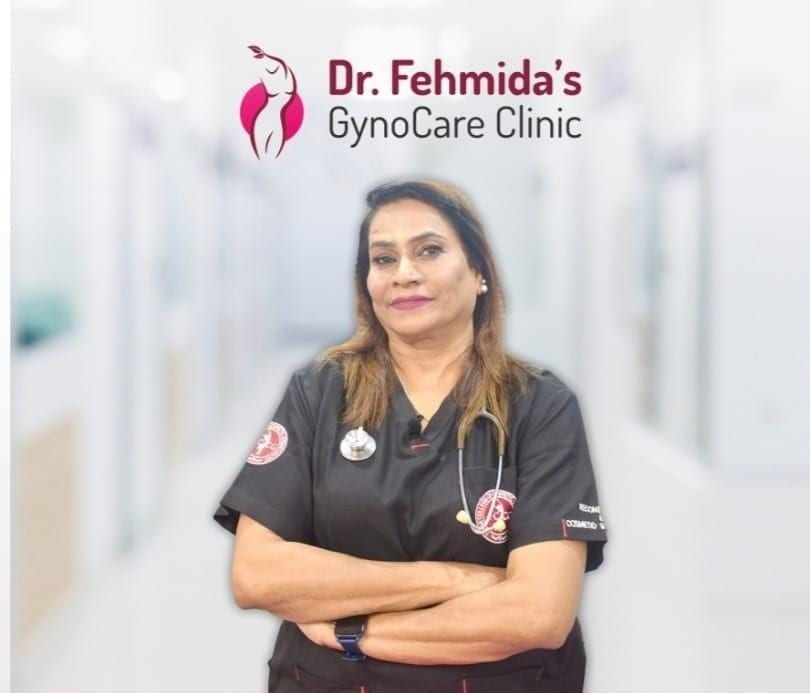
Where suitable, Dr. Fehmida Shaikh performs laparoscopic tubal recanalization to reopen the tube and restore the chance of natural conception, drawing on her experience in laparoscopic and hysteroscopic gynaecological surgery.
What's included
- Diagnostic evaluation of tubal blockage
- Laparoscopic tubal recanalization
- Post-procedure fertility monitoring
CARE TYPE
Fertility Surgery
Consult with
Dr. Fehmida Shaikh
Availability
Mon–Sat, by appointment
Who it's for
Women diagnosed with tubal blockage as a cause of infertility.
Frequently Asked Questions
Clear, compassionate answers to the questions patients ask Dr. Fehmida Shaikh most often.
What causes blocked fallopian tubes?
Common causes include previous pelvic inflammatory disease (PID), pelvic tuberculosis (common in India), endometriosis, previous ectopic pregnancy, prior abdominal surgeries causing adhesions, or previous voluntary tubal sterilization (tubectomy).
How is fallopian tube blockage diagnosed?
Blockage is diagnosed via a Hysterosalpingogram (HSG) X-ray dye test or Sonohysterosalpingography (SSG). Diagnostic laparoscopy with chromopertubation (dye test) provides the definitive gold-standard visualization of tubal patency and pelvic health.
What is laparoscopic tubal recanalization?
Laparoscopic tubal recanalization is a delicate microsurgical procedure performed through keyhole incisions to remove scar tissue, clear blockages, or re-connect previously severed fallopian tube segments, restoring natural passage for eggs and sperm.
What are the success rates of conceiving naturally after tubal recanalization?
Natural pregnancy rates following successful recanalization range between 50% and 75%, depending on the patient's age, the location of tubal blockage, and the remaining healthy length of the fallopian tube.
Can tubal reversal be done after previous family planning sterilization?
Yes. If sufficient healthy tubal length remains and the sterilization was performed using clips, rings, or clean excision, laparoscopic reversal can reconnect the tubes to enable natural pregnancy without needing IVF.
When is IVF recommended over tubal surgery?
If both fallopian tubes are severely damaged, fluid-filled (hydrosalpinx), extensively scarred, or if the woman is over 38 years old with diminished ovarian reserve, IVF provides a direct, higher-probability path to pregnancy by bypassing the tubes completely.