Women's Health
PCOS (Polycystic Ovary Syndrome)
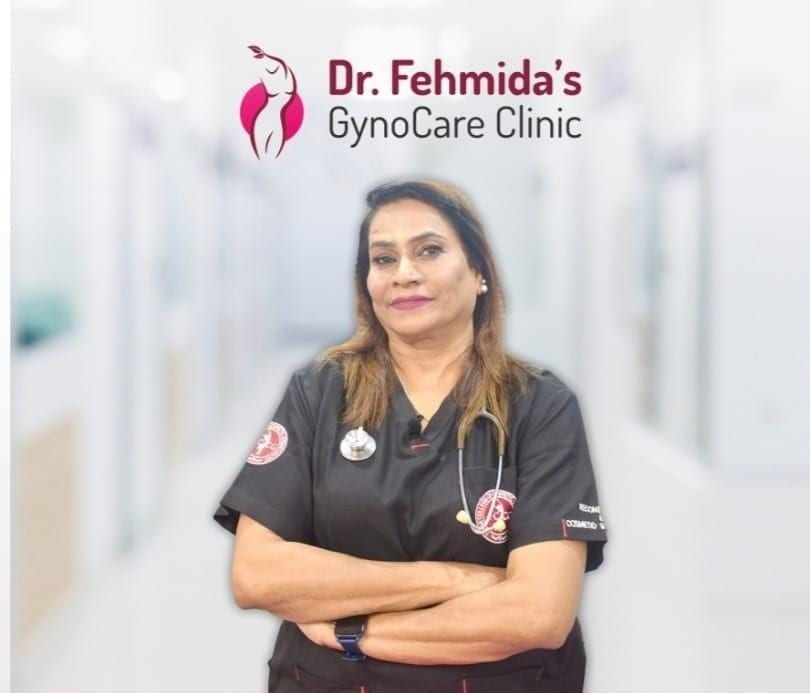
Dr. Fehmida Shaikh is a member of the PCOS Society and provides evaluation and management for PCOS, a common cause of irregular periods and infertility.
Overview
PCOS (Polycystic Ovary Syndrome) is a common hormonal condition that can cause irregular periods, ovarian cysts, and difficulty conceiving. It affects women differently, so evaluation and management are tailored to each patient.
Dr. Fehmida Shaikh's professional membership in the PCOS Society reflects an ongoing engagement with current approaches to diagnosing and managing the condition, alongside her broader gynaecology and fertility practice.
What's included
- Hormonal and ultrasound evaluation
- Menstrual cycle and fertility management
- Ovulation induction guidance
- Long-term lifestyle and treatment planning
CARE TYPE
Women's Health
Consult with
Dr. Fehmida Shaikh
Availability
Mon–Sat, by appointment
Who it's for
Women with irregular periods, suspected PCOS, or PCOS-related fertility concerns.
Frequently Asked Questions
Clear, compassionate answers to the questions patients ask Dr. Fehmida Shaikh most often.
What are the core diagnostic criteria for PCOS?
PCOS (Polycystic Ovary Syndrome) is diagnosed using the Rotterdam criteria, requiring at least two of the following: irregular or absent menstrual periods, clinical or biochemical signs of excess androgens (acne, facial/body hair, hair loss), and multiple small follicles seen on pelvic ultrasound.
Can women with PCOS get pregnant naturally?
Yes, absolutely. While PCOS can cause irregular or absent ovulation, most women achieve pregnancy with targeted lifestyle modifications, insulin-sensitizing medications, and simple ovulation induction tablets (like letrozole) under gynaecological guidance.
What lifestyle modifications are most effective for managing PCOS?
A balanced low-glycaemic diet rich in whole foods, regular physical activity (both resistance training and cardiovascular exercise), stress reduction, and adequate sleep help regulate insulin levels. Even a 5% to 10% weight reduction can restore natural ovulation.
Does PCOS increase long-term health risks?
If left unmanaged, PCOS is associated with higher risks of insulin resistance, Type 2 diabetes, high cholesterol, and endometrial hyperplasia. Routine monitoring and proactive care under Dr. Fehmida Shaikh prevent these long-term metabolic complications.
What medical treatments help control PCOS acne and excess hair growth?
Treatments include combined oral contraceptive pills with anti-androgenic progestins, inositol supplements to improve insulin sensitivity, and dermatological skin care routines tailored to hormonal skin.